Pubic lice (Pediculosis pubis), also known as crab lice or “crabs,” are parasitic insects found primarily in the genital area of humans.
Pubic lice have three life stages: the egg (also called a nit), the nymph, and the adult. While adult lice are large enough to be seen with the naked eye, immature lice and eggs are very small and may require a magnifying glass to observe them. The adult lice resemble miniature crabs. They have six legs, and their two front legs are very large and look like the pincher claws.
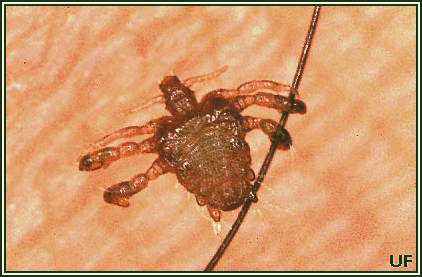
Lice are 100% dependent on their host. They feed exclusively on blood and if a louse falls off the person they were attached to, it will die within 1-2 days. Animals, like cats and dogs, cannot become infested with pubic lice, only humans can.
Pubic lice are spread by close personal contact (most frequently by sexual contact) or by contact with articles such as clothing, bed linens, or towels that were recently used by a person with pubic lice. If a person has lice, they will experience an itchy rash and might even see the lice crawling around their pubic area.
Does just the idea of lice make your skin crawl? Don’t worry. Pubic lice carry no diseases and are easily treated with lice-killing lotions which can be purchased over the counter.